


Second Amendment Supreme Court: The Semiautomatic Rifle Showdown
By Brad Hodges
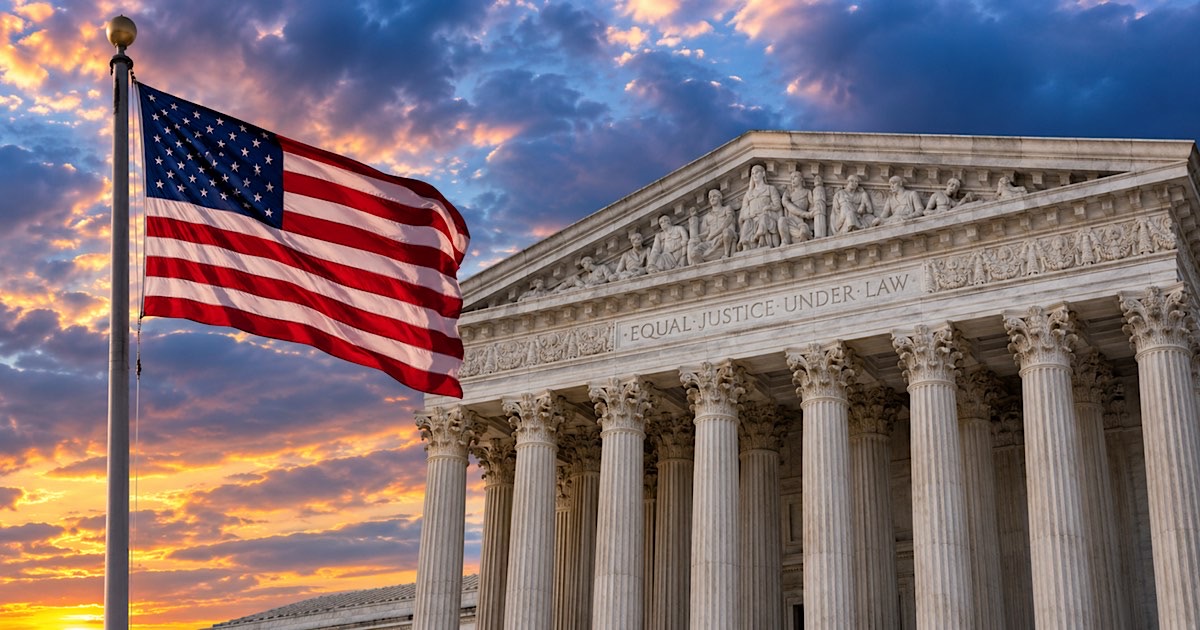
While political attention remains heavily fixed on legislative matchups, a parallel constitutional battle over the scope of the Second Amendment is unfolding before the nation’s highest judicial body. Semiautomatic firearms—most notably the AR-15 platform—have become the core focus of intense state and federal regulatory efforts. With a monumental challenge officially sitting on the U.S. Supreme Court docket, the legal framework governing American gun ownership faces its most significant turning point in a generation.
The judicial test arrives as opponents of the Second Amendment continue to introduce restrictive measures in Congress. Recent legislative proposals have sought to enact sweeping national changes, including explicit bans on specific classes of firearms, strict limitations on standard-capacity magazines, and the implementation of universal red-flag laws lacking judicial due process protections.
The primary barrier preventing these proposals from reaching executive signature has been a divided or narrowly held legislative branch. Should political control flip, these bills are positioned to transition from committee dockets straight to federal law. For conservative and independent voters, this reality underscores why control of government branches directly dictates the permanent boundaries of individual liberty.
The Ultimate Test: Viramontes and Grant
This legislative friction forms the backdrop for the high court’s upcoming session. The Supreme Court has consolidated two historic challenges to state and regional firearm restrictions: Viramontes v. Cook County and Grant v. Higgins.
Oral arguments are officially scheduled before the justices on December 2, 2026. The central constitutional question the Court must resolve is whether the Second and Fourteenth Amendments guarantee an individual right to possess AR-15 platform rifles and similar semiautomatic firearms.
Gun rights proponents base their arguments on established precedents, most notably the Heller (2008) and Bruen (2022) decisions. Under these frameworks, firearms that are “in common use” for lawful purposes receive strict constitutional protection. Semiautomatic rifles represent the single most popular class of modern rifles in the country, with millions of law-abiding citizens possessing them for sport, hunting, and home defense. Conversely, defenders of the regulations claim these platforms are uniquely dangerous and fall completely outside traditional protections.
Safeguarding Constitutional Boundaries
The impending Supreme Court ruling will establish the legal baseline for firearm regulations for decades. However, the long-term defense of the Constitution relies on a supportive legislative branch. Congress retains the constitutional authority to shape lower federal courts, confirm judicial nominees to the bench, and block restrictive legislative packages permanently.
Maintaining an active presence at the ballot box remains the most direct and necessary method for citizens to ensure their constitutional rights remain secure against shifting political tides.
